Column · @mymoldtestingdetroitstore
Why Mold Testing Detroit Matters for Your Home
Living in Detroit means dealing with older homes, humid summers, and the occasional basement flood. I have seen too many property owners skip a simple step that could save them thousands: proper mold testing. Mold testing Detroit is not just about checking a box. It is about knowing what is actually growing in your walls, crawl space, or attic before you start tearing things apart. I have walked into basements where the homeowner thought a quick scrub with bleach was enough, only to find that black mold had spread behind paneling for years.
Mold testing Detroit gives you a clear picture. Without it, you are guessing. And guessing can lead to bigger problems, like spending money on the wrong fix or missing a hidden leak altogether. Let me walk you through what real mold testing looks like, what tools and methods actually work, and how to use the results without getting lost in the data.
What Mold Testing Actually Tells You
A lot of people think mold testing means someone walks around with a moisture meter and calls it done. That is part of it, but real testing goes further. A proper mold inspection report will include air samples, surface samples, and sometimes a tape lift or swab from suspicious areas. The goal is to identify the species of mold present and the concentration level. Not all mold is dangerous, but some types, like Stachybotrys chartarum, often called black mold, produce mycotoxins that can cause real health issues.
One of the most reliable methods is the ERMI test. That stands for Environmental Relative Moldiness Index. It is a DNA-based analysis of dust samples. I have used ERMI tests in homes where the occupants complained of chronic sinus issues and fatigue. The results often point to specific mold species that are not visible to the naked eye. That is the kind of insight you cannot get from a visual check alone.
The Tools That Make a Difference
When I do a thorough assessment, I carry a few key tools. A relative humidity meter is essential. It tells me if the air in the basement or crawl space is sitting above 60 percent, which is the threshold where mold starts to thrive. I also use a thermal camera to spot cold spots where condensation might be forming inside walls. But the real work comes during sampling.

For air sampling, I set up a calibrated pump that pulls a known volume of air through a cassette. That cassette goes to a lab for analysis. I have seen cases where the air in a finished basement looked clean but the lab report showed high levels of Penicillium and Aspergillus. Those species can trigger allergic reactions even in healthy people. The lab report becomes part of the mold inspection report, which I then use to recommend specific remediation steps.
Surface sampling with a swab or tape lift is useful when you see visible growth. I always take samples from areas near bathroom exhaust fans and attic ventilation points, because those are common spots for moisture to accumulate. A bathroom exhaust fan that is undersized or not vented properly can push humid air into the attic instead of outside. That is a recipe for mold growth in the roof deck and insulation.
Interpreting the Results
Getting a lab report back can be overwhelming. It lists spore counts for dozens of species. That is where experience matters. A high count of Cladosporium, for example, is common outdoors and might not indicate a problem indoors. But if the indoor count is five times higher than the outdoor count, something is generating spores inside the home. That is when you need to act.
I have seen mold inspection reports that show elevated levels of Chaetomium in a basement. That species often points to long-term water damage. In one case in Detroit, the homeowner had a finished basement with no obvious leaks. But the ERMI test flagged Chaetomium and Stachybotrys. We opened the wall and found that the previous owner had installed a moisture barrier incorrectly, trapping moisture behind the drywall. The fix required removing the lower three feet of drywall, treating the studs with Concrobium, and installing a proper dehumidifier with a drain line.
That is the value of real testing. It tells you where the problem is and how bad it is. Without it, you might just paint over the drywall and hope for the best.
Remediation vs. Testing: Know the Difference
Some companies offer free inspections and then jump straight into remediation. That is not testing. That is a sales pitch. Real mold testing is independent. It gives you a baseline. If you hire a remediation company that also does the testing, you risk getting a report that justifies their own scope of work. I always recommend getting the testing done by someone who does not have a financial stake in the repairs. Look for certifications from organizations like IAQA or the ACAC. Those credentials mean the tester has passed exams on sampling protocols and building science.
If the test shows a problem, remediation involves more than just spraying bleach. For porous materials like drywall and carpet, removal is often the only option. For non-porous surfaces, products like Mold Armor or RMR-141 can kill the mold and leave a protective layer. I have used Concrobium on concrete basement walls with good results. It works by creating a crystalline barrier that prevents regrowth. But you have to address the moisture source first. Otherwise, you are just treating the symptom.

Moisture Control Is the Real Fix
Mold testing Detroit often reveals that the root cause is moisture intrusion. In older Detroit homes, basement waterproofing is a common need. I have seen crawl spaces with standing water after heavy rain. That is a clear sign that the foundation needs attention. Crawl space encapsulation, which involves sealing the dirt floor with a heavy-duty vapor barrier, can stop moisture from entering the air inside the home. A properly installed moisture barrier in the crawl space can reduce humidity levels by 20 percent or more.
Attic ventilation is another area where I see problems. Many homes in Detroit have gable vents that are blocked by insulation or debris. That traps warm, moist air in the attic during the winter, leading to frost on the roof deck and eventual mold growth on the plywood. Installing ridge vents or turbine vents can solve that. But you need to confirm the fix with a relative humidity meter after the work is done.
In basements, a dehumidifier is a must if the space is finished. But size matters. A small unit running constantly will not keep up. I recommend a unit that can remove at least 50 pints per day for a typical Detroit basement. And it needs to drain into a floor drain or a condensate pump, not into a bucket that you have to empty every day. That is where most people give up.
When Air Duct Cleaning Makes Sense
If the mold testing Detroit shows elevated spore counts in the HVAC system, air duct cleaning might be necessary. But I caution homeowners: duct cleaning is not a solution for active mold growth in the home. If the mold is growing in the basement or walls, cleaning the ducts will just redistribute spores from those areas. The source has to be eliminated first. Once that is done, an air scrubber with a HEPA filter can be used to capture airborne spores during the cleanup. A HEPA vacuum is also essential for cleaning up dust and debris after remediation. Regular vacuuming with a standard filter will blow spores back into the air.
I have seen cases where a homeowner spent money on duct cleaning only to find that the mold came back within a month because the crawl space was still damp. That is why testing must come first. It tells you where to focus your money and effort.
A Note on Health and Regulations
The Michigan Department of Environment, Great Lakes, and Energy has guidelines for mold remediation, but they do not require specific testing or certification for contractors. That means the responsibility falls on the homeowner to do their due diligence. If you suspect mold in your home, do not rely on a visual check alone. A lab analysis is the only way to know for sure what you are dealing with. I have worked with families in Detroit where children had asthma flare-ups every winter. After testing and remediation, the symptoms improved dramatically. That is not a coincidence.
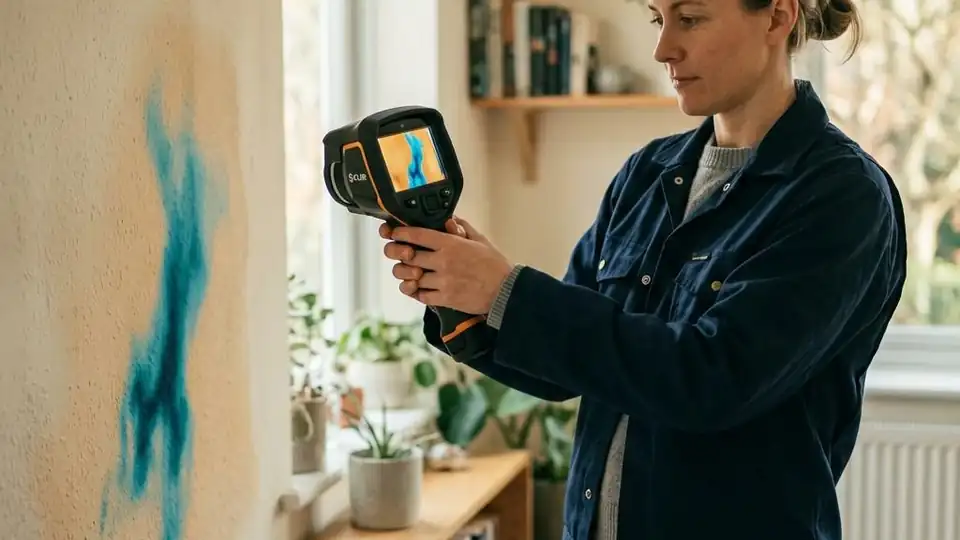
Even if you do not see visible mold, there could be hidden growth inside wall cavities, under flooring, or in the HVAC system. A relative humidity meter can give you a clue. If the indoor humidity is consistently above 60 percent, you have a moisture problem that will eventually become a mold problem. An ERMI test can confirm whether the mold is already there.
Final Thoughts
Mold testing Detroit is an investment in your property and your health. It is not expensive compared to the cost of a full remediation, and it prevents you from wasting money on the wrong fixes. I have seen too many homeowners spend thousands on basement waterproofing only to discover that the real problem was a failed bathroom exhaust fan. A simple test would have pointed them in the right direction.
If you are serious about protecting your home, start with a proper mold inspection report. Use it to guide your decisions. And remember: the goal is not just to kill the mold you can see. It is to control the moisture so the mold cannot grow back. That takes a combination of testing, targeted remediation, and permanent fixes like moisture barriers, attic ventilation, and proper dehumidification. With the right approach, you can keep your home dry and healthy for years to come.